
Closing the Gap: USPTO to Require U.S. Counsel for Foreign Patent Applicants
The landscape for international inventors is shifting. On December 29, 2025, the United States Patent and Trademark Office (USPTO) issued a Notice of Proposed Rulemaking that seeks to end the era of “pro se” (unrepresented) foreign patent filings.
For decades, foreign inventors could navigate the U.S. patent system alone or through their local non-U.S. agents. That is about to change. Under the proposed rule, all foreign-domiciled patent applicants, owners, and parties will soon be required to be represented by a U.S.-licensed patent practitioner (i.e., attorneys or agents licensed to practice patent cases before the USPTO).
What the New Rule Requires
The rule targets efficiency and accountability. If the permanent legal residence (for individuals) or principal place of business (for entities) is outside the US, the following rules will apply:
- Mandatory Representation: You must appoint a practitioner registered to practice before the USPTO (a US patent attorney or patent agent) for all substantive patent filings.
- Signature Authority: While a foreign applicant may still sign an initial application to secure a filing date, all subsequent responses—including amendments, Information Disclosure Statements (IDS), and petitions—must be signed by the US representative.
- Verified Domicile: Applicants must provide a physical domicile address. The USPTO will use this to determine if the “foreign-domiciled” requirement applies.
The Move Toward Consistency
If this sounds familiar, it is because the USPTO is harmonizing the patent branch with the trademark branch.
In August 2019, the USPTO implemented a nearly identical rule for trademarks. That rule required all foreign-domiciled trademark applicants to use US counsel to combat a surge in fraudulent specimens and inaccurate filings. By extending this to patents, the USPTO aims to:
- Reduce Errors: Foreign pro se filings often contain procedural defects that reduce examiner time, raising pendency rates and reducing overall grant rates.
- Mitigate Fraud: US practitioners are subject to strict ethical rules and disciplinary oversight, providing a layer of accountability that the USPTO lacks with unrepresented foreign parties.
- Global Alignment: This move brings the US in line with the European Union, Japan, and China, all of which already require local representation for foreign applicants.
What Happens Next?
The public comment period for this rule ended on January 28, 2026. Barring significant pushback, we expect the final rule to be implemented later this year.
For foreign companies and inventors, the laissez-faire, do-it-yourself approach to US patent filing will end. It is time to establish a partnership with a US-based I.P. firm to ensure your patent filings remain compliant and your priority dates remain secure. For more information, please contact Yonaxis I.P. Law Group.
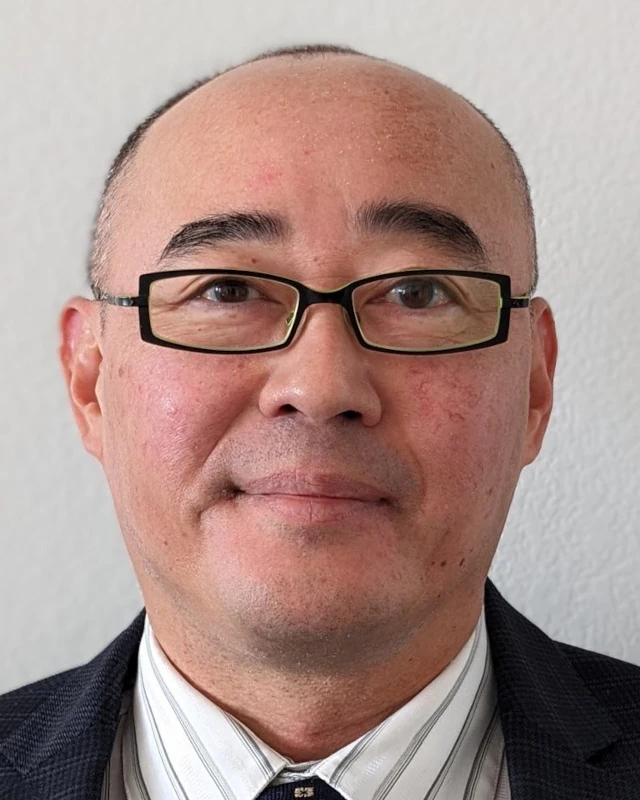
Brent T. Yonehara
Founder & Patent Attorney
Founder Brent Yonehara brings over 20 years of strategic intellectual property experience to every client engagement. His distinguished career spans AmLaw 100 firms, specialized boutique I.P. practices, cutting-edge technology companies, and leading research universities.
More About Brent